 admin
adminIn the modern digital landscape, speed and responsiveness are critical factors for delivering high-quality user experiences. As applications become more complex and data-intensive, traditional centralized computing models often struggle to meet low-latency requirements. Edge computing has emerged as a powerful solution, bringing computation closer to the user and significantly reducing delays.
A platform such as https://mk878.com/ reflects how modern systems can benefit from distributed architectures that prioritize speed and efficiency. By leveraging edge computing, platforms can deliver faster responses, improved performance, and more reliable services.
🌐 What Is Edge Computing?
Edge computing is a distributed computing model where data processing occurs closer to the data source or end user, rather than relying solely on centralized cloud servers.
Instead of sending all data to a distant data center, edge computing processes information locally or at nearby nodes. This reduces the distance data must travel, resulting in faster response times.
Key features include:
- Decentralized data processing
- Reduced latency
- Improved real-time performance
- Enhanced bandwidth efficiency
⚡ Why Low Latency Matters
Latency refers to the time it takes for data to travel from the user to the server and back. In many digital applications, even small delays can negatively impact user experience.
Low latency is essential for:
- Real-time applications
- Interactive systems
- Live streaming platforms
- Mobile web applications
Reducing latency ensures smoother interactions and higher user satisfaction.
🧩 How Edge Computing Works
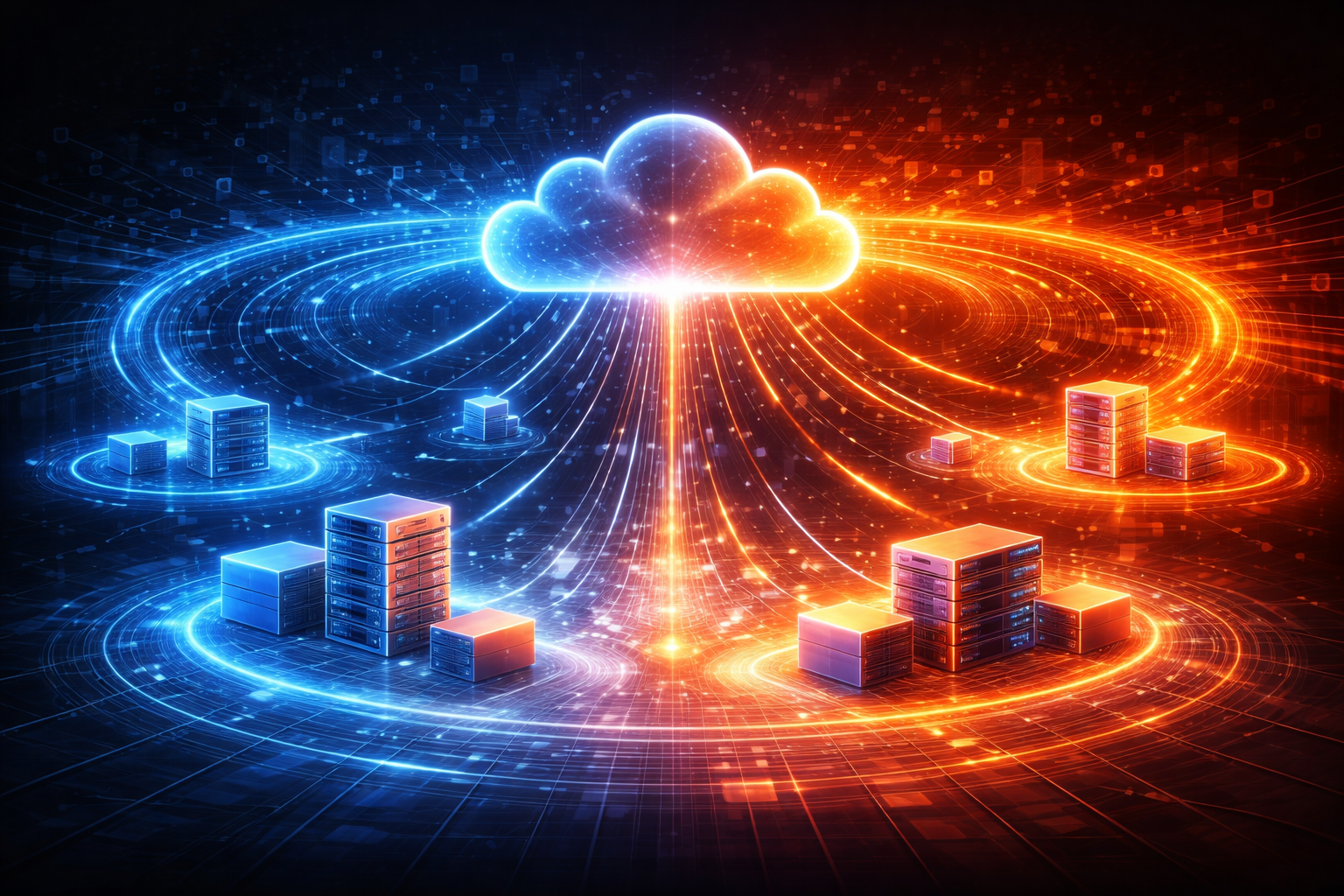
Edge computing systems consist of multiple edge nodes located closer to users. These nodes handle data processing tasks locally, reducing the need to communicate with central servers.
The process typically involves:
- Data generation at the user device
- Local processing at an edge node
- Sending only necessary data to central servers
- Delivering results instantly to users
This architecture minimizes delays and optimizes performance.
🚀 Benefits of Edge Computing
Edge computing offers several advantages for modern digital platforms:
⚡ Faster Response Times
Processing data closer to users reduces latency significantly.
📉 Reduced Bandwidth Usage
Only essential data is sent to central servers, optimizing network resources.
🔄 Improved Reliability
Local processing ensures that systems can continue operating even if the central server is unavailable.
📱 Enhanced User Experience
Users experience smoother and more responsive interactions.
🌍 Applications of Edge Computing
Edge computing is widely used in various industries and applications:
- IoT devices and smart systems
- Autonomous vehicles
- Real-time analytics platforms
- Online gaming and streaming services
These applications require fast data processing and minimal delays.
⚡ Edge Computing vs Cloud Computing
While cloud computing remains essential, edge computing complements it by handling time-sensitive tasks.
Cloud Computing
- Centralized data processing
- High storage capacity
- Suitable for large-scale analytics
Edge Computing
- Localized processing
- Low latency
- Ideal for real-time applications
Combining both approaches creates a hybrid system that balances performance and scalability.
🔐 Security Considerations
Edge computing introduces new security challenges due to its distributed nature. Each edge node can become a potential entry point for cyber threats.
Security measures include:
- Secure communication protocols
- Device authentication
- Data encryption
- Continuous monitoring
Proper security implementation ensures safe and reliable operations.
🔮 Future Trends in Edge Computing
Edge computing continues to evolve with new technologies shaping its future:
- Integration with 5G networks
- AI-driven edge processing
- Expansion of edge data centers
- Enhanced real-time analytics
These advancements are making edge computing more powerful and widely adopted.
🎯 Conclusion
Edge computing is a key technology for building low-latency digital systems. By processing data closer to users, it enhances performance, reduces delays, and improves overall user experience.
As digital platforms continue to demand faster and more efficient systems, edge computing will play an increasingly important role. Platforms that adopt this technology will be better positioned to deliver high-performance, real-time services in the future.